
Easy things to check before your car's MoT Test
Originally introduced in the 1960s for vehicles (cars and vans) more than 10 years old, The 10 Year Test, as it was called, focused on the condition of the vehicle’s lights, brakes and steering.
Originally introduced in the 1960s for vehicles (cars and vans) more than 10 years old, The 10 Year Test, as it was called, focused on the condition of the vehicle’s lights, brakes and steering.
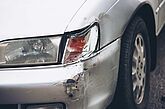
Accidents are something that, regrettably as motorists, most of us are likely to experience at some stage during our use of the road.

If you’re buying a car for the first time, or haven't bought one for a number of years, it can sometimes be difficult to know where to start.

While using a child seat has been a law in the UK for many years, there is still some confusion around it. Essentially, children under the age of 12 or less than 135cm tall must be in a car seat, as this will provide them with greater protection in the event of an accident.

Whether you’re aware of it or not, due to the relatively young average age of the UK’s vehicles, it’s very likely that your car has some sort of advanced driver assistance system, generally referred to as ADAS.

Although if your vehicle’s MoT certificate expired between 30th March and 1st August 2020, you are entitled to postpone it for up to six months, should you?

Air fresheners can be the difference between MoT pass or failure – what other unusual but simple things should you look out for when preparing your vehicle for the annual test?

If you have a car that is less than 20 years old, it is almost certain to have airbags. These are a crucial safety feature which, hopefully, most motorists will not have to encounter first hand, however it is worth knowing the basics, so you can be prepared.

Car headlights were once famously described as ‘the eyes of the vehicle’ however, our eyes are something that we don’t tend to reckon with when we think about car lighting.

We are all familiar with the term “write off” and you might have experienced the misfortune of getting the news that your beloved car, van or motorcycle has been written off – but is that the end of things?