Headlight bulb
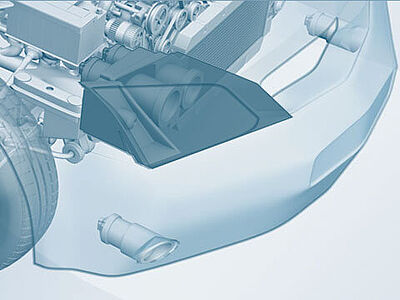
Since the introduction of the H1 bulb in 1960, halogen bulbs have been an integral component of headlight illumination. Although in the intervening years Xenon technology, which has much higher light intensity...
Function
Since the introduction of the H1 bulb in 1960, halogen bulbs have been an integral component of headlight illumination. Although in the intervening years Xenon technology, which has much higher light intensity, has captured an increasingly large share of the upper and middle vehicle segment, the vast majority of drivers on the road are using halogen bulbs.
Light intensity of headlight bulb
As good illumination is an essential aspect of safety, manufacturers of halogen bulbs are also still continuing to strive for advances in development and improvements. A great deal of work is being done in particular on bulbs for the after-sales market which illuminate the road better than the standard bulbs used in original equipment.
As the amount of light for each type of bulb is precisely defined in ECE regulations and must not exceed the permissible tolerance limits, an increase in light intensity must be achieved by other means. Bulbs that cast more light on the road have a more compact but brighter coiled filament than a standard bulb. As a result, the headlight is able to direct the available amount of light more effectively and more selectively into the vital area of the road in front of or behind the vehicle.
The best halogen bulbs on the market today are capable of light intensity up to 100% higher in the area between 50 and 75 metres from the vehicle on the right-hand side of the carriageway. Bulbs with a blueish coating which generate bright white light similar to that produced by a Xenon light are also available, along with special long-life bulbs, which are used if the coiled filament is exposed to a particularly high load due to increased on-board voltage in the vehicle.
Safety
Light is an active safety element. Unlike a seatbelt or an airbag, which help to alleviate the consequences in the event of an accident, good light can stop an accident before it is able to happen. The lens of the human eye steadily loses its accuracy over the passage of time. At 40 years old, a person already needs three times the amount of light compared with a small child. Furthermore, the ability of the human eye to resist glare drops by approximately 50% every 12 years.
Bulbs that illuminate the road more effectively without dazzling oncoming traffic are making an important contribution to road safety. The significantly longer light beam enables the driver to detect obstructions and hazardous situations in good time and react safely. However, many less expensive bulbs from Asia which promise to supply more light but often do not even meet the minimum requirements of ECE regulations are on sale in our shops. Blueish or brightly coloured bulbs in particular also often promise more than they are able to deliver. In the worst-case scenario, they create a dangerous glare.
Environmental protection
Halogen-headlights do not contain lead, cadmium or mercury. They can thus be disposed of in a way which is not harmful to the environment.
Depreciation
On-board voltage has a decisive effect on the service life of incandescent light bulbs. An increase in voltage of just 5% will reduce this by half. For such cases brand manufacturers offer what are known as longer life bulbs with a service life of up to four times longer.
Suppliers
Here you can find all suppliers for the product "Headlight bulb":






Downloads
Here you can find all available downloads for the topic "Headlight bulb":
All file downloads: