Gear Oil
![[Translate to English:] Getriebeöl - Symbolbild](/fileadmin/_processed_/5/c/csm_Getriebe%C3%B6l_-_Symbolbild_f2df170e61.jpeg)
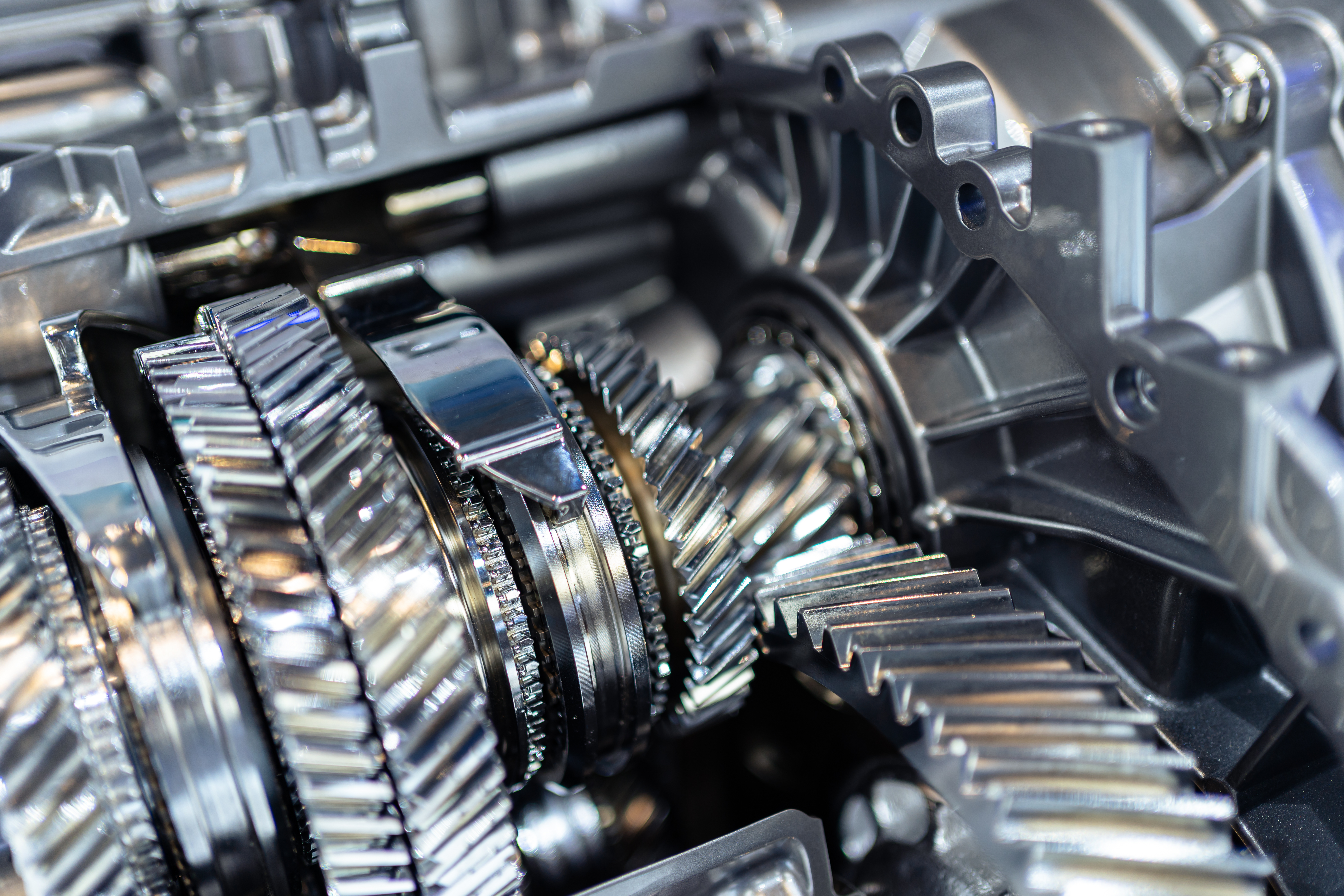
Gear oil is a specially formulated lubricant for vehicle transmissions. It ensures that the gears, bearings, clutches, and shifting components operate reliably under high loads. Depending on the type of transmission, the oil not only provides lubrication but also performs hydraulic and control functions.
Function
The primary task of gear oil is to reduce friction and wear between the moving components inside the transmission. A stable lubricating film separates the gears, shafts and bearings, even under high loads. At the same time, the oil dissipates heat and protects metal surfaces from corrosion.
In automatic and automated transmissions, gear oil also serves as a hydraulic medium to actuate clutches, brake bands, and shifting elements. Modern gear oils contain complex additive packages that improve shifting performance, prevent foaming, and increase resistance to aging. Their composition and properties are precisely matched to the respective transmission type.
Specifications
Gear oils are not universally interchangeable. It is essential that the product meets both the viscosity class required by the manufacturer and the corresponding specification. For manual transmissions, oils with viscosity grades such as SAE 75W-80 or 75W-90 are commonly used, whereas automatic, dual-clutch, and CVT transmissions require significantly lower viscosity specialty fluids.
In addition, standards such as API GL-4 or GL-5, as well as manufacturer specific approvals—such as those from Volkswagen, Mercedes-Benz, or BMW—define the suitability of a gear oil. An oil that formally fits but has incorrect additives can damage synchroniser rings, multi-plate clutches, or friction materials. Therefore, it is crucial to use an oil that complies with the viscosity grades and specifications required by the OEM.
Transmission Types and Oil Requirements
- Manual Transmission (MT)
In manual transmissions, gear oil primarily lubricates the gears, bearings, and synchroniser rings. Balanced friction characteristics are essential to ensure smooth and low wear gear shifts. Typically, higher viscosity oils with specially tailored additives for synchroniser components are used. An unsuitable oil can impair shifting feel and increase wear.
- Automatic Transmission (AT)
In conventional automatic transmissions with torque converters, the oil performs multiple functions simultaneously. It lubricates the mechanical components, acts as a hydraulic medium for shifting, and transmits torque within the converter. Automatic transmission fluids are therefore very low in viscosity and precisely matched to the specific transmission design. Deviations from the specified standard can lead to shifting problems or thermal overload.
- Dual-Clutch Transmission (DCT)
Dual-clutch transmissions place particularly high demands on the gear oil. In wet-clutch designs, the oil also lubricates and cools the clutch packs while enabling precise gear changes. DCT fluids are specially formulated and are not interchangeable with conventional ATF or manual transmission oils.
- Continuously Variable Transmission (CVT)
CVT transmissions operate with belt or chain elements and variable ratios. The oil used must provide defined friction characteristics to ensure reliable power transmission and control. CVT fluids differ significantly from other gear oils and are strictly manufacturer specific. Using the wrong oil can lead to slippage, increased wear, or transmission damage.
Safety
A properly lubricated transmission is essential for safe power transmission. Aging or contaminated gear oil can lead to increased wear, delayed shifting, or malfunctions. Particularly in automatic and dual-clutch transmissions, poor oil condition can also negatively affect driving behaviour.
Oil aging is not solely dependent on mileage but is also influenced by time, thermal stress, and operating conditions—such as frequent short trips or towing. Regular inspection and replacement according to the manufacturer’s specifications significantly contribute to operational safety.
Quelle: AdobeStock/ROWE
A professional gear oil change requires a high level of expertise, the right equipment, and a systematic approach. Depending on the transmission type, oil temperature, fill level, and the change procedure must be precisely followed, as even minor deviations can impair transmission function. Modern automatic and dual-clutch transmissions often require special diagnostic tools to correctly set the oil level under defined operating conditions. For this reason, drivers are advised to have gear oil changes carried out by a qualified automotive workshop to avoid damage caused by incorrect oil, improper filling, or faulty procedures.
Environmental Protection
Gear oil indirectly contributes to drivetrain efficiency. Friction optimised oils reduce internal losses in the transmission and thus lower energy consumption. At the same time, a stable lubricating film extends the service life of the transmission and reduces the need for new parts. Proper disposal of used oil is essential, as gear oils contain substances that are harmful to the environment.
Value Retention
A regularly and properly maintained transmission operates more quietly, shifts more precisely, and remains functional over the long term. Even though some transmissions are described as having “lifetime fill,” gear oil is still subject to aging over time and thermal stress, regardless of mileage.
For maintaining a vehicle’s value, not only is the oil change itself important, but also its professional execution and documentation. Maintenance, carried out by a qualified automotive workshop and properly documented, reduces the risk of damage and has a positive effect on resale value—especially for automatic and dual-clutch transmissions.
Suppliers
Here you can find all suppliers for the product "Gear Oil":


Downloads
Here you can find all available downloads for the topic "Gear Oil":
All file downloads: