Diesel Engine
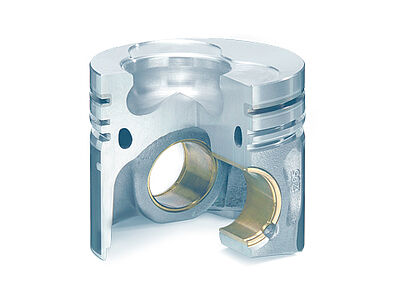
The diesel engine remains one of the most widely used engines today, as it is used in passenger cars, commercial vehicles, agricultural machinery, ships, and industrial applications. Like the petrol engine, the diesel engine converts chemical energy into thermal energy, which is then transformed into mechanical energy via pistons to drive the vehicle.
Function
Named after its inventor, Rudolf Diesel, the diesel engine is a combustion engine that achieves high efficiency and performance through the high compression of the air/fuel mixture. Compared to petrol engines, diesel engines consume significantly less fuel.
Operating Principle
The diesel engine relies on the self ignition of diesel fuel mixed with compressed air to generate energy. This process consists of four strokes:
1. Intake Stroke
The intake valves open, and the piston moves downward, creating a vacuum inside the cylinder. This allows air to enter the cylinder.
2. Compression Stroke
The piston moves upward, compressing the air in the cylinder. Due to compression, the air temperature rises significantly, and the pressure increases. Both the intake and exhaust valves remain closed during this stroke.
3. Power Stroke
Diesel fuel is injected directly into the combustion chamber under high pressure, mixing with the hot, compressed air. The fuel ignites spontaneously due to the high temperature and pressure, generating a powerful expansion force. This force pushes the piston downward, converting thermal energy into mechanical work. The piston movement drives the crankshaft via the connecting rod.
4. Exhaust Stroke
The exhaust valves open, and the piston moves upward again. This expels the burned gases from the cylinder into the exhaust system, where they are released into the environment. The cycle then starts again with the next intake stroke.
Construction
The diesel engine is a complex mechanical system composed of several key components:
Safety
As a core vehicle component, ensuring safe engine operation is crucial. Advanced designs, materials, and control systems in modern diesel engines provide enhanced safety standards and efficient emission control.
Environmental Considerations
Modern diesel engines in passenger vehicles meet strict emission regulations and have become significantly cleaner. In recent years, significant advances in emission reduction technology, such as AdBlue injection and diesel particulate filters, have helped reduce environmental impact.
Value Retention
Diesel engines are known for their durability and efficiency. However, regular maintenance and servicing are essential to ensure longevity. Regular oil changes and replacement of wear parts (e.g., glow plugs, air filters) can extend engine life. Proper driving habits also help reduce engine wear and maintain performance over the long term.
For drivers, diesel engines particularly benefit from regular inspections at a qualified workshop. In addition to oil changes, components such as glow plugs, air filters, and fuel filters should be checked and replaced at the specified intervals.
The diesel particulate filter and the exhaust gas recirculation (EGR) system can also wear out or become clogged with soot over time. Symptoms include increased fuel consumption, loss of power, or an illuminated check engine light.
When replacing wear parts, professional workshops recommend using branded replacement parts that are specifically matched to the respective engine type.
Suppliers
Here you can find all suppliers for the product "Diesel Engine":



Downloads
Here you can find all available downloads for the topic "Diesel Engine":
All file downloads: